Old Popular Art in Gabala
Pottery is one of the oldest and most important crafts in Azerbaijan. People valued it highly in daily life, and early communities relied on it for practical and artistic purposes. During the early medieval period, Azerbaijani craftsmen commonly practiced pottery, and many of their works still survive today. Museums across Azerbaijan display these artifacts, preserving the cultural heritage of local artisans and giving visitors a glimpse into the past.
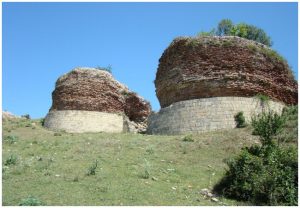
Gabala, one of Azerbaijan’s oldest cities, plays a key role in studying the history of pottery in the region. Archaeologists have excavated the ruins of Gabala and uncovered a large number of valuable clay pots and wares. These findings show the skill, creativity, and technical knowledge of the craftsmen who lived there centuries ago. Most of the pottery originates locally, made with traditional techniques passed down through generations. Craftsmen decorated many pieces with multi-colored designs and intricate patterns, reflecting their artistic talent.
Pottery in Gabala served both practical and decorative purposes. Craftsmen made everyday items such as bowls, jars, and storage pots that were functional, yet also featured elaborate decorations that showcased their aesthetic sense. This dual role highlights pottery as both a craft and an art form in the region.
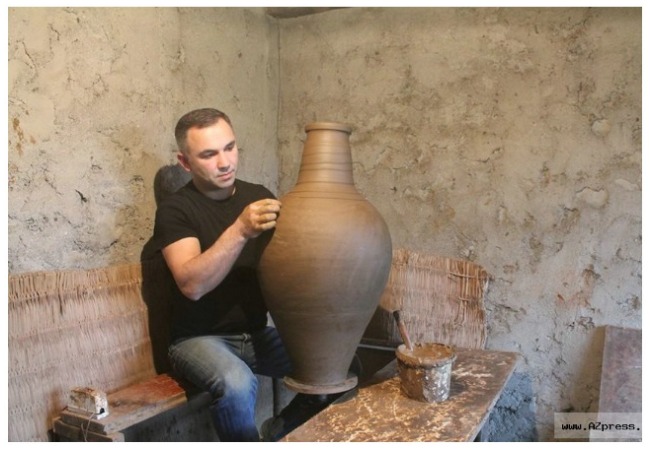
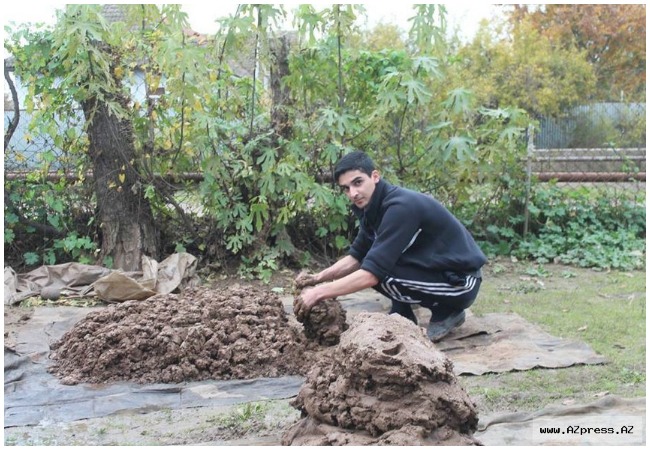
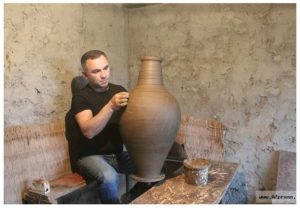
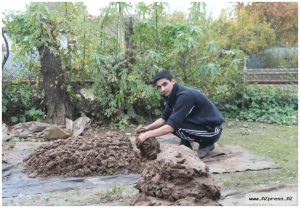
Today, artisans in Gabala and other parts of Azerbaijan continue this craft. They use techniques inspired by their ancestors and preserve traditional designs and decoration methods. Pottery continues to connect people with Azerbaijan’s rich historical and cultural heritage.
From ancient clay wares to modern creations, Gabala’s pottery reflects centuries of creativity, skill, and artistic vision. Craftsmen have passed down both practical knowledge and artistic expression across generations. Gabala’s pottery remains a vital part of Azerbaijan’s cultural legacy, showing the enduring talent and imagination of its people.